What Is Cosmetic Dentistry?
The goal of cosmetic dentistry is to make teeth, gums, and the entire smile seem better. By fusing science and art, it goes beyond conventional dental treatment to produce stunning, healthy smiles. For a variety of reasons, including as improving self-esteem, fixing dental flaws, or just desiring a more radiant, appealing smile, people seek cosmetic dentistry procedures. With a variety of treatments to address problems like discolouration, misalignment, gaps, chipping, and damaged teeth, cosmetic dentistry has become more accessible and efficient thanks to advancements in dental technology. These procedures frequently improve function and dental health in addition to appearance.
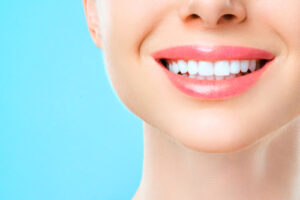
Whitening teeth is one of the most popular cosmetic dentistry operations. Foods, beverages, smoking, and aging can all cause teeth to discolor or become stained over time. Compared to over-the-counter alternatives, professional whitening procedures are safer and yield noticeable effects far more quickly. In one or a few visits, dentists can remove deep stains and brighten teeth many shades by using stronger bleaching solutions and specialist equipment. A visibly whiter smile is the end result, and with the right maintenance, it can endure for months or even longer.
Dental veneers, which are thin shells composed of composite resin or porcelain that cover the front surface of teeth, are another common choice. Numerous flaws, including small misalignments, chipping, cracks, discolouration, and uneven spacing, can be fixed with veneers. In order to create a smooth and realistic-looking grin, they are created to precisely match the size, shape, and color of natural teeth. Veneers are a popular option for a smile makeover since they involve little modification to the tooth and produce long-lasting effects.
Dental bonding is another adaptable cosmetic procedure that can be used in place of veneers. This is immediately placing a tooth-colored resin substance to broken or flawed teeth, then molding it to enhance its appearance. Bonding is perfect for covering stains, filling in gaps, and fixing minor chips. Although it might not last as long as veneers or crowns, it is a rapid, minimally invasive process that can frequently be finished in a single visit.
Clear aligners have gained a lot of popularity among people who want to straighten their teeth without the unsightly appearance of traditional metal braces. Teeth are progressively moved into appropriate alignment by these almost undetectable trays. Because clear aligners are detachable, patients can eat everything they want and maintain better oral hygiene. Although treatment duration varies, it is typically less than that of traditional braces. They work well for a lot of mild to moderate misalignment situations.
Another component of esthetic dentistry is dental crowns and bridges. Crowns restore the shape, strength, and look of teeth that have been injured or weakened. For a more organic appearance, they can be composed of ceramic, porcelain, or metal fused with porcelain. Bridges attach to neighboring teeth or implants to replace one or more lost teeth. Bridges and crowns both enhance tooth function and contribute to the preservation of the smile’s integrity.
Gum reshaping or contouring, which treats uneven gum lines or extra gum tissue that can make teeth appear short, is another procedure used in cosmetic dentistry. To produce a more balanced and aesthetically beautiful smile, dentists can restructure the gum tissue with lasers or surgical methods. By enhancing the general harmony of the teeth and gums, this operation frequently improves the outcomes of other cosmetic procedures.
Although the goal of cosmetic dentistry is to improve beauty, it also supports general oral health. For instance, by making teeth easier to clean, straightening them can lower the risk of gum disease and decay. In addition to keeping the neighboring teeth from moving, replacing lost teeth helps preserve good bite alignment. The chance of more decay or infection is decreased when damaged teeth are repaired.
Individual objectives, oral health, and financial constraints all play a role in selecting the best cosmetic dentistry procedure. Patients can develop a customized treatment plan and learn about their alternatives, as well as the advantages and disadvantages of each operation, by consulting with a licensed cosmetic dentist. Technological developments like digital imaging and 3D modeling provide patients more confidence in their decisions by enabling them to see possible outcomes before starting treatment.
Regular dental checkups and proper oral hygiene are necessary to preserve the effects of cosmetic dentistry. In addition to brushing and flossing twice a day, patients should abstain from smoking and chewing on hard objects, two behaviors that can harm teeth. Maintaining the smile’s best appearance requires follow-up care and occasionally touch-up procedures like bonding repairs or teeth whitening.
In conclusion, a variety of procedures are available in cosmetic dentistry to enhance the appearance and condition of your smile. Modern cosmetic dentistry operations can help you create a smile you are proud to share, whether you want a slight enhancement or a full makeover. Through a stunning, self-assured smile, cosmetic dentistry may be a potent instrument for improving quality of life and self-esteem when done properly and under professional supervision.