The Importance of Healthy Gums
A crucial component of dental care, gum treatment—also known as periodontal therapy—focuses on the detection, diagnosis, and treatment of gum diseases. These are some of the most prevalent dental issues that adults face, mainly gingivitis and periodontitis. They can result in a lower quality of life, systemic health problems, and tooth loss if untreated. Understanding gum therapy is crucial for preserving a long-lasting and healthy smile because, despite its importance, gum health is usually disregarded in ordinary dental procedures.
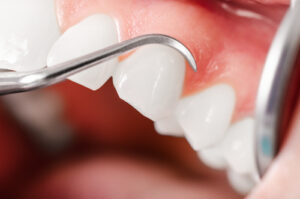
The first stage of gum disease, gingivitis, is typified by red, swollen gums that may bleed when you brush or floss. Professional cleanings and good dental hygiene can help reverse this stage to a considerable extent. But if gingivitis is left untreated, it can develop into periodontitis, a more serious kind of gum disease in which the gums and bone pull away from the teeth, creating pockets that can get infected. The bone and connective tissue that hold teeth in place begin to deteriorate due to bacterial toxins and the body’s immunological response. This may eventually cause teeth to become loose or even fall out.
Treatment options for gum disease can vary based on the disease’s severity. A thorough periodontal examination performed by a dentist is typically the first step. This could entail assessing gum recession, measuring the depth of the pockets surrounding each tooth, looking for bleeding, and sometimes getting X-rays to look at the bone level. A treatment plan is created based on these results in order to halt the disease’s progression and restore gum health.
Non-surgical procedures like scaling and root planing are frequently advised for mild to moderate instances. In order to facilitate the gums’ reattachment to the teeth, this deep cleaning technique smoothes the root surfaces and eliminates plaque and tartar from beneath the gum line. To promote healing and lower bacteria, local antimicrobials or antibiotics may also be used. In order to track their progress and avoid recurrence, patients are usually instructed to follow stringent oral hygiene procedures at home and schedule routine maintenance appointments.
Surgical procedures can be required in more severe situations. For example, flap surgery entails suturing the tissue back into place for a snug fit around the teeth after pushing back the gums to remove deep deposits of tartar. Gum tissue or missing bone can also be restored with bone and tissue grafts. A dentist who specializes in gum health, known as a periodontist, typically performs these operations.
Another new option for treating gum disease is laser therapy. It minimizes discomfort and speeds up recovery by using concentrated laser radiation to eliminate microorganisms and remove unhealthy tissue. For certain people, it can be a less invasive and more effective option than traditional surgery, but it is not appropriate in every situation.
Gum disease is far easier to prevent than to treat. Gum health is largely maintained by daily brushing and flossing, a balanced diet, abstaining from tobacco use, and scheduling routine dental exams. Additionally, it’s critical to spot warning indicators like chronic foul breath, bleeding gums, or changes in bite and to get help from a dentist right once.
Gum therapy is important for protecting your oral and general health, not simply for keeping your smile looking nice. According to research, systemic diseases like diabetes, heart disease, respiratory disorders, and even unfavorable pregnancy outcomes are associated with periodontal disease. Patients can prevent major difficulties and live happier, more self-assured lives by treating gum health carefully and early.
Gum care is ultimately a collaboration between the patient and the practitioner. Gum disease can be stopped in its tracks and your natural teeth can be preserved for a lifetime with the right treatment, prompt intervention, and continuous upkeep. Speaking with your dentist about gum treatment choices is a wise move toward a healthy future, regardless of whether you’re exhibiting symptoms or simply want to take preventative measures for your dental health.